Category: Articles
Switzerland Becomes First Country to Install Solar Panels on Railway Tracks
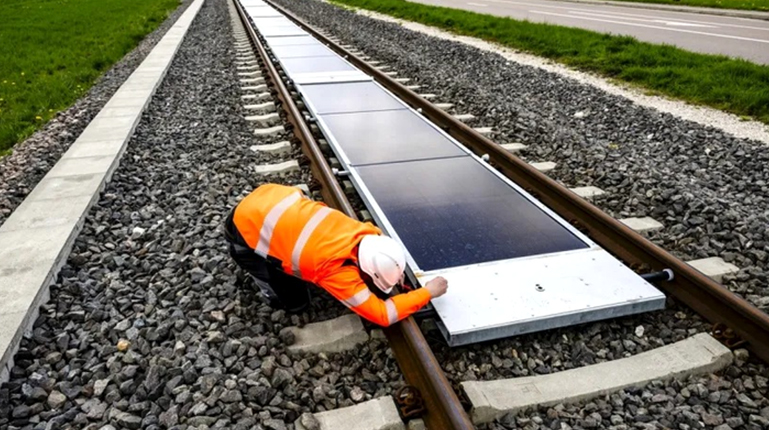
Clean energy innovation now comes from Switzerland. The country known for its precise transportation system has once again made a breakthrough through a pilot project of solar panels on active railway tracks. This project was initiated by Sun-Ways, a Swiss startup that focuses on the development of renewable energy technology.
Different from solar energy projects in general which require special land or building roofs, Sun-Ways presents a unique solution, namely installing solar panels directly between active railway tracks.
The technology used also allows trains to continue operating without interruption, opening up great opportunities for the utilization of infrastructure space that has not been optimally utilized.
"This will be the first time that solar panels have been installed on railway tracks that are passed by trains," said Joseph Scuderi, CEO of Sun-Ways, quoted from ESG News.
In the pilot phase, 48 solar panels will be installed along 100 meters of rail, which is located in the Neuchâtel region, western Switzerland. Where the panels will be installed using a specially designed train by Swiss rail maintenance company Sceuchzer, which is capable of installing up to 1.000 square meters of panels per day.
The results of this power will not be channeled to the railway system due to the complexity of current railway operations. The system is expected to be channeled to local homes because it is estimated to be able to produce 16.000 kWh of electricity per year.

Global Potential
The Sun-Ways project offers a smart solution, using existing infrastructure to add renewable energy capacity, without putting pressure on open space or green spaces.
The potential for this technology is huge. Imagine if just a small portion of the track was equipped with solar panels, the world would have a significant additional source of clean energy, without harming the environment.
And if this project is successful and widely replicated, it is possible that we will see railways around the world become not just travel routes, but clean energy routes of the future. Cool, right?


Berita Lainnya


1.7 Million Green Job Opportunities Await in 2030
Indonesia, as an archipelagic country with abundant natural resources, has extraordinary potential in developing the new and renewable energy (EBT) sector. Through the National Energy General Plan (RUEN), the government is targeting a gradual energy transition in order to realize national energy security and reduce dependence on fossil fuels. The year 2030 is an important milestone, where the projection of EBT capacity and contribution is expected to experience a significant spike. In addition to environmental benefits, this transition also has the potential to create millions of green jobs. Based on Greenpeace's calculation method, the following is a projection of the potential for job growth from each EBT sub-sector in Indonesia until 2030:
1. Geothermal

Indonesia is one of the countries with the largest geothermal reserves in the world. Geothermal development not only supports carbon emission reduction, but also opens up jobs in the fields of exploration, power plant construction, and operation and maintenance.
2. Hidropower
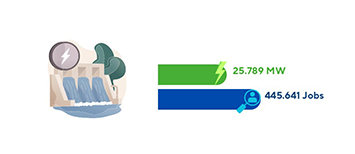
With its river-rich and mountainous topography, Indonesia has great potential in utilizing hydropower. Large-scale and micro-hydro projects can increase electricity access in remote areas while absorbing local labor.
3. Bioenergy

Biomass resources from agriculture, plantations, and organic waste make bioenergy an inclusive, sustainable energy solution. This sector also supports the rural economy through the use of agricultural waste as fuel.
4. Solar Energy

Solar energy is one of the fastest growing renewable energy sources because the technology is increasingly affordable and easy to implement. Installing solar panels on rooftops, industrial buildings, remote areas and public facilities will provide jobs for more people.
5. Wind Energy
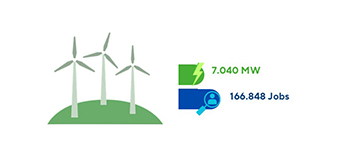
Coastal and highland areas in Indonesia have great potential for wind power development. Wind energy development requires technical expertise and will drive workforce growth in the engineering and maintenance sectors.
6. Renewable Energy

Included in this category are energy from ocean waves, tides, and other innovative technologies. Although still in its early stages, the potential of this sector should not be ignored as part of Indonesia's future energy portfolio.
With a total additional capacity of 69,652 MW from all types of renewable energy, Indonesia has the potential to create around 1,721,435 green jobs by 2030. This figure reflects a great opportunity to combine the economic development and environmental protection agendas simultaneously.
The transition to clean energy is not only an ecological necessity, but also a strategic opportunity to encourage inclusive and sustainable economic growth. The government, private sector, educational institutions, and civil society need to collaborate to ensure workforce readiness through vocational training, increasing human resource capacity, and aligning the education curriculum with the needs of the renewable energy industry.
2030 is not just a target, but the starting point for Indonesia's clean, green, and opportunity-filled future.
Berita Lainnya
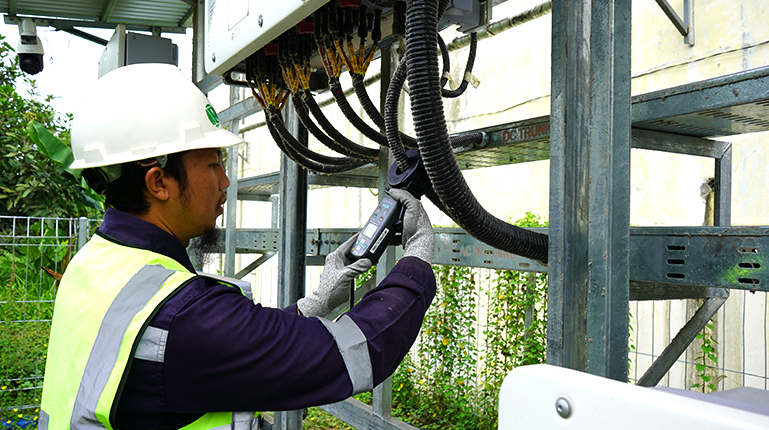
Getting to Know Grounding Measuring Instruments: Functions, Uses, and Types in Solar Power Plant Systems
In the world of electricity, the Grounding system is one of the important elements that is often overlooked, even though its role is very crucial in maintaining the safety and reliability of electrical installations, including in the Solar Power Plant (PLTS) system. One of the tools used to ensure that the grounding system is working properly is the Grounding Measuring Instrument or also known as the Grounding Tester.
What is a Grounding Measuring Instrument?
A grounding tester is a device used to measure ground resistance. This value indicates how well the electric current from the system can be channeled into the ground, especially when there is a disturbance such as leakage current or lightning strikes.
This tool is needed to ensure that the grounding system meets applicable safety standards and is able to protect equipment and personnel from electrical risks.
Why is Grounding Important in the Solar Panel System?
In the PLTS system, both on a household and industrial scale, grounding functions as a path for releasing fault current to the ground. A poor grounding system can cause:
- Damage to the inverter and solar panels,
- Disruption of the overall system operation,
- Risk of electric shock,
- Decreased device life.
Therefore, periodic checks using a grounding measuring instrument are highly recommended, especially to maintain the reliability and safety of the Solar Panel system in the long term.
Types of Grounding Measuring Instruments
There are actually two types of electrical grounding measuring instruments, namely the earth tester and the earth clamp. These two grounding testers have different uses. Here is an explanation of the two:
1. Earth Tester
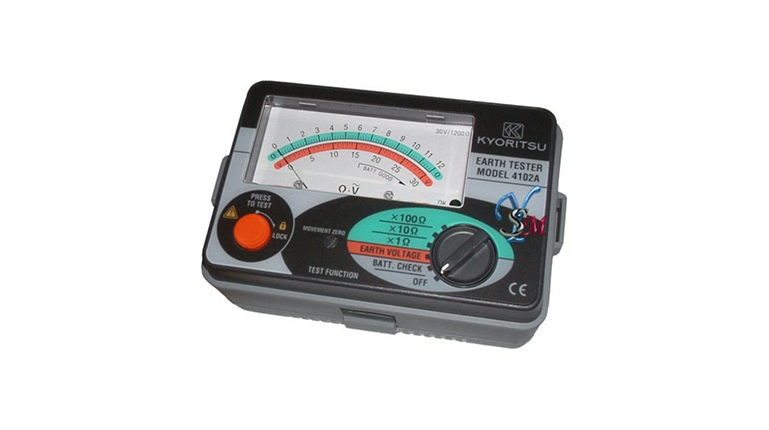
Earth tester is a very useful tool in the process of installing or maintaining a new grounding system. By measuring the ground resistance and identifying areas with high resistance, technicians can take the necessary corrective actions to improve the quality of the grounding and ensure the safety of the system as a whole.
2. Earth Clamp

What about the earth clamp? This grounding measuring tool is a device that functions to measure ground resistance by detecting the current flowing through the grounding system. Consisting of a clamp head that can be installed around the ground conductor, such as a grounding cable or grounding rod, this device can measure the current passing through the ground conductor and calculate the grounding resistance automatically based on the detected current.
By using an earth clamp, we can easily and quickly measure ground resistance without having to physically connect or disconnect the ground conductor. This makes the measurement process more efficient and can be done safely and accurately.
PT Surya Energi Indotama's Commitment to Maintaining Grounding Quality
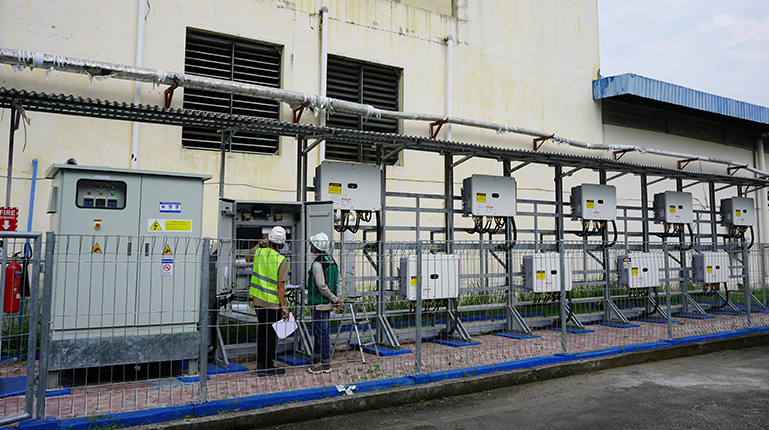
As an experienced renewable energy solution provider, PT Surya Energi Indotama (SEI) places grounding measurement as an important part of our solar PV system installation standards. Through the use of the right grounding tester and periodic testing, we ensure that every system we build:
- Safe for users,
- Resistant to lightning or surges,
- Meets national and international standards,
- Operates efficiently and is durable.
The reliability of a solar energy system starts with technical details such as grounding, and we believe that precision in small aspects can have a big impact on the success of a renewable energy project.
Grounding is not just a technical obligation, but a long-term investment in the safety, reliability, and efficiency of the solar PV system. By choosing the right grounding measuring instrument and implementing periodic testing, we can keep the solar energy system optimal and sustainable.
Trust the safety of your solar PV system to the experts, Together with SEI let's switch to renewable energy!
Berita Lainnya
ESG: SEI Real Steps Towards Environmental Sustainability
What is ESG?
Environmental, Social, and Governance (ESG) is a concept that refers to three main factors used to measure a company's sustainability impact. These factors relate to how a company operates in relation to the environment (Environmental), society (Social), and corporate governance (Governance). ESG is becoming increasingly important in the business world because it shows the company's seriousness in paying attention to the impact on the environment and society, as well as its commitment to implementing good governance.
- Environmental: Focuses on the company's impact on nature, such as waste management, energy efficiency, carbon emission reduction, and responsible use of natural resources.
- Social: Relates to corporate responsibility towards social welfare, including relations with employees, contributions to local communities, and concern for human rights.
- Governance: Concerning aspects of transparency, accountability, and good business practices in company management, including in terms of decision-making and integrity.
Benefits of ESG Implementation
The implementation of ESG principles provides many benefits for both companies and the surrounding community and environment, including:
- Sustainability and Positive Impact: Companies that implement ESG tend to have a greater positive impact on the environment and society. This ensures long-term sustainability and supports environmental protection efforts and social welfare improvements.
- Improved Reputation: Companies that are committed to ESG are often viewed more positively by the public, investors, and customers. This improves the company’s image in the public eye, which can increase customer loyalty and attract more environmentally conscious investors.
- Better Risk Management: By considering ESG factors, companies can identify potential risks early, such as environmental or social risks, that could impact long-term performance.
- Access to Financing and Investment: Companies that adhere to ESG principles often have an easier time gaining access to financing or investment from sustainability-focused institutions.
SEI Real Steps Towards Environmental Sustainability

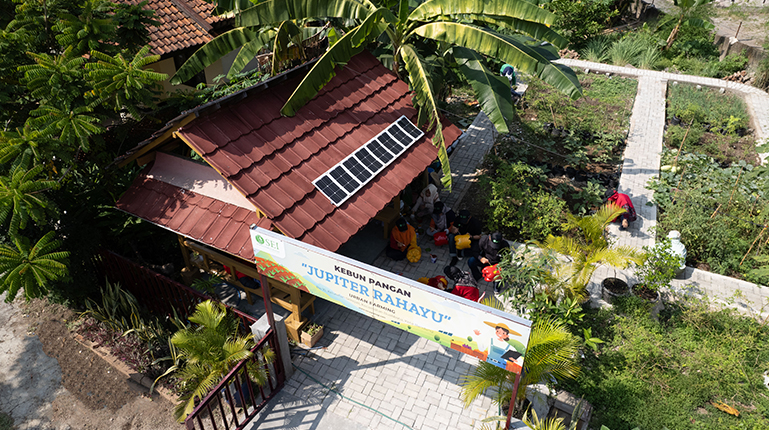
As a company committed to ESG principles, PT Surya Energi Indotama (SEI) not only focuses on financial gain, but also pays great attention to environmental sustainability and social welfare. One real form of SEI commitment to sustainability is through the Corporate Social Responsibility (CSR) program called "Jupiter Rahayu Food Garden". This program not only manages natural potential but also empowers the surrounding community to participate in implementing ESG principles. Among them:
1. Management of Kitchen Waste as Natural Fertilizer (Loseda)
One of the applications of environmental principles carried out is the management of kitchen waste. Kitchen waste which is usually difficult to decompose, is now processed with an innovative method into natural fertilizer, this program is called Lodong Sesa Dapur (Loseda). This process not only reduces the amount of waste but also provides benefits for the soil and plants in the Jupiter Rahayu food garden and in the surrounding community. Thus, SEI indirectly contributes to waste reduction and the implementation of sustainable agriculture.
2. Compost Management to Improve Soil Quality
In addition to managing kitchen waste, the Jupiter Rahayu Food Garden also implements compost bin management to recycle organic waste in the garden. The compost produced is used to improve soil quality in the garden, which in turn increases agricultural yields naturally without relying on synthetic chemicals. This greatly supports the sustainability of environmentally friendly agriculture.
3. Application of Solar Panels for Renewable Energy
As part of its commitment to sustainability, SEI also installed solar panels on the huts in the Jupiter Rahayu food garden. The use of solar panels allows SEI to utilize clean and environmentally friendly renewable energy. In addition to reducing dependence on fossil fuels, this also provides a real example to the surrounding community about the importance of transitioning to more environmentally friendly energy.
4. Revitalization of Non-Production Land to Become Productive
One of the major challenges in land management is how to manage unproductive land so that it can provide benefits. SEI has revitalized non-productive land around the Jupiter Rahayu food garden and transformed it into productive land with various types of food crops. In this way, SEI not only improves the quality of the surrounding environment but also helps improve local food security.

SEI's commitment to ESG principles reflects the company's responsibility to the environment and society. Through CSR programs such as Kebun Pangan Jupiter Rahayu, SEI has demonstrated how ESG principles can be applied in real terms, with a focus on waste management, renewable energy, and improving community welfare. This is an important step in creating a more sustainable future, where companies, communities, and the environment can thrive together.
Together with SEI, let's switch to renewable energy!
Berita Lainnya
Here’s How Solar Power Plants Can Change Our Future!
Solar Power Plants (PLTS) are an increasingly popular solution to the challenges of global climate change. Given the increasing need for energy, humans tend to rely on fossil fuel power plants such as coal, oil, and natural gas. However, these energy sources are limited and very harmful to the environment, especially in producing greenhouse gas emissions that trigger global warming. This is where PLTS plays an important role in reducing the carbon footprint, which is the total carbon emissions produced by human activities.
What is a Carbon Footprint?
A carbon footprint refers to the amount of carbon dioxide (CO2) and other greenhouse gas emissions produced by human activities, both in the production of goods, energy use, and transportation activities. These emissions, especially those produced from the combustion of fossil fuels, increase the concentration of greenhouse gases in the atmosphere, which worsens global warming.
How PLTS Works
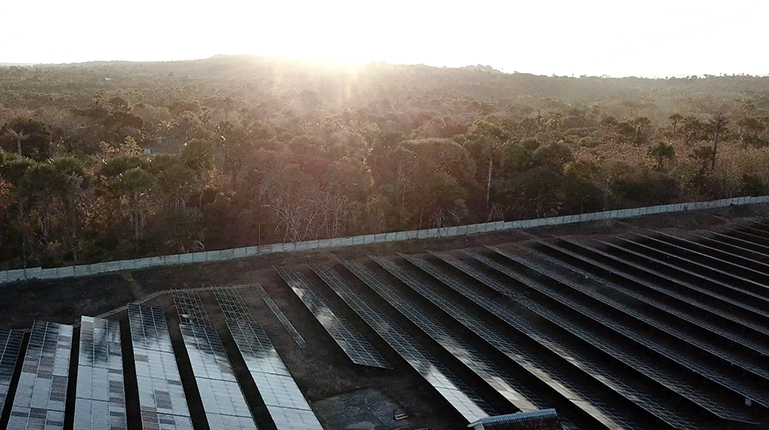
PLTS is a system that utilizes solar energy to generate electricity. This system consists of solar panels (photovoltaic) that convert sunlight into electrical energy through a process called the photovoltaic effect. The electrical energy produced can then be used directly or stored in batteries for later use. Solar power plants do not emit emissions during the energy production process, making them one of the most environmentally friendly renewable energy sources.
How Does Solar Power Plant Reduce Carbon Footprint?
- Reducing Dependence on Fossil Fuels
One of the main ways that solar power plants reduce carbon footprints is by replacing fossil fuel power plants. Burning fossil fuels such as coal, oil, and natural gas to generate electricity produces very high carbon emissions. In contrast, solar power plants generate electricity without emitting direct emissions, because solar panels only utilize solar energy that does not pollute the air.
- Environmentally Friendly Renewable Energy
Solar energy sources are a form of renewable energy, meaning that they can be obtained continuously without reducing natural resources. Unlike coal or oil, which require intensive mining and processing and produce emissions during the process, solar energy does not require destructive processes and does not produce carbon emissions during use.
- Reducing Energy Waste
In addition to reducing dependence on fossil fuels, solar power plants can also help reduce energy waste. In many places, energy generated from fossil fuels is often wasted or lost due to inefficient distribution. By using solar power plants, electricity can be produced and used closer to where it is consumed, reducing the need for large distribution networks and reducing energy waste.
- Increasing Efficient Energy Use
Solar energy is not only environmentally friendly, but it can also be used more efficiently in certain applications. For example, homes or commercial buildings can install solar power systems on their roofs, allowing them to harness the sun’s energy directly and reduce their dependence on potentially fossil fuel-based power sources from the electricity grid.
- Driving Innovation in Energy Storage
Energy storage technologies, such as batteries, are increasingly being developed thanks to the use of solar power plants. By storing solar energy generated during the day, people can use it at night or during cloudy weather. The development of efficient energy storage technologies can reduce dependence on fossil fuel-powered power plants that are usually needed to cover fluctuations in energy supply.
- Deployment of Solar Power Plants in Locations Far from the Electricity Grid
One of the advantages of solar power plants is their ability to be installed in various places, even in areas that are not covered by the electricity grid. Thus, solar power plants can provide access to electricity without the need to build complex and expensive infrastructure. This not only reduces the carbon footprint but also improves the quality of life of people in remote areas.
Impact of Using Solar Power Plants in Reducing Carbon Footprint
The use of solar power plants on a large scale can have a significant impact on reducing the carbon footprint. According to various studies, if more countries and companies switch to solar energy, global carbon emissions can be drastically reduced. Several countries that utilize renewable energy massively, such as Germany and China, have shown a significant decrease in carbon emissions since adopting solar power plant technology.
With every kilowatt of electricity generated from renewable energy sources, especially solar, we can reduce CO2 emissions that are usually associated with the use of fossil fuels. This directly helps achieve the emission reduction targets set in various international climate agreements, such as the Paris Agreement.
Challenges and Future Prospects
Although solar power plants have great potential in reducing carbon footprints, several challenges need to be overcome. Some of these include the relatively high initial installation costs and issues related to energy storage. However, with advances in technology and falling prices of solar panels, these costs are becoming more affordable. In addition, innovations in energy storage are also making it easier to adopt solar power plants in various sectors.
In the future, it is expected that more governments and companies will implement policies that support the transition to renewable energy, including solar power plants. The public is also increasingly aware of the importance of switching to environmentally friendly energy sources for the earth's sustainability.
Solar power plants are one of the most effective ways to reduce carbon footprints and the negative impacts of climate change. By replacing fossil fuel power plants, using renewable energy, and increasing energy efficiency, solar power plants provide a sustainable solution for producing clean energy. By continuing to develop this technology and expanding its adoption, we can significantly reduce carbon emissions and create a greener and healthier future for future generations. Together with SEI, let's move towards renewable energy!
Berita Lainnya
European Union Makes History: Solar Power Plants Replace Coal as Main Source of Electricity
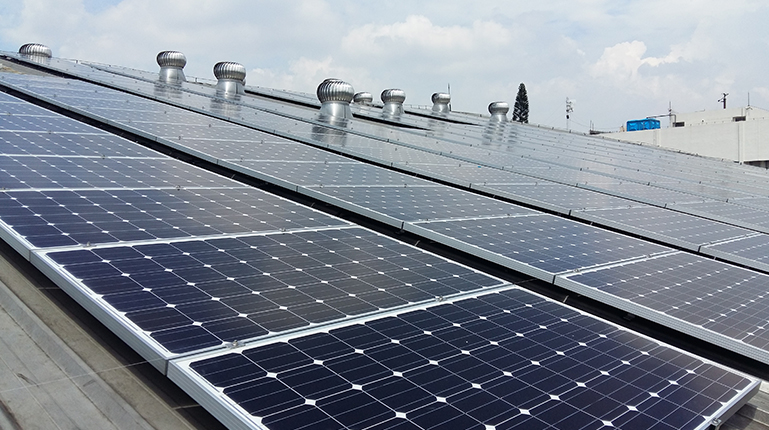
For the first time in history, solar power production in the European Union has surpassed coal-fired power plants. A recent report released by the climate thinktank Ember shows that by 2024, solar power will contribute 11% of total electricity production in the European Union. In contrast, coal-fired power plants' contribution will shrink to 10%, indicating a significant decrease in dependence on fossil fuel sources.
This figure may seem small, but its success in overtaking coal, which has been the backbone of the energy industry for centuries, is an achievement that deserves a thumbs up.
This phenomenon marks the acceleration of the clean energy transition in Europe, driven by increasing solar power capacity and policies to reduce dependence on fossil fuels.
The European Union is on track to achieve its ambitious target of having an installed solar power capacity of 400 gigawatts (GW) by 2025. Awesome!
Driving Factors for Solar Energy Growth
Some of the key factors driving solar energy’s surge over coal include:
1. Large Investments in Renewable Energy
The European Union has been aggressively building solar power generation capacity in recent years, especially in countries such as Germany, Spain, and the Netherlands.
2. Declining Coal Use
Europe’s coal consumption has steadily declined since 2018 due to stricter environmental policies and rising carbon prices, making coal-fired power plants less competitive.
3. Impact of the Global Energy Crisis
Russia’s invasion of Ukraine in 2018 caused a spike in energy prices and prompted European countries to accelerate the transition to cleaner, more sustainable energy sources.
Positive Impacts for the Environment and Economy
Solar’s success in outperforming coal brings several benefits to the environment and the EU’s economy. With more clean energy being produced, carbon emissions can be significantly reduced, supporting the emission reduction targets set in the Paris Agreement. In addition, the EU’s dependence on fossil fuel imports is reduced, increasing energy resilience amid geopolitical uncertainty.
However, challenges remain, especially in terms of infrastructure and grid stability. Intermittent solar energy requires more sophisticated storage and distribution systems to be optimally utilized.
With this trend, renewable energy is expected to continue to grow, while the role of coal in the EU's energy mix will continue to shrink. This success is clear evidence that the transition to clean energy is not only possible but also increasingly inevitable.
Source: https://nationalgeographic.grid.id/
Berita Lainnya
Implementation of the Rooftop Solar Power Quota System: Supporting the Stability of the National Electricity Grid
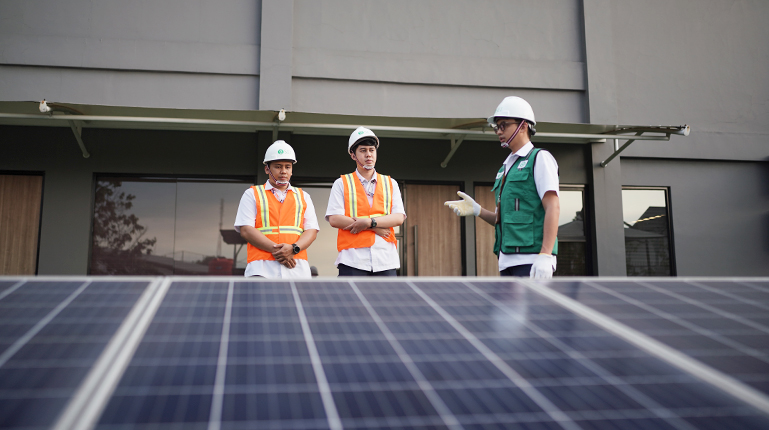
Since July 2024, the Indonesian government has officially implemented a quota system for installing rooftop Solar Power Plants (PLTS) connected to the PLN grid as stated in the Regulation of the Minister of Energy and Mineral Resources No. 2 of 2024. This policy is a strategic step in managing the integration of renewable energy into the national electricity system while supporting the energy transition target towards Net Zero emissions by 2060.
This quota system is designed to ensure that the use of rooftop PLTS is balanced with the capacity of the PLN grid, avoiding excess power that can disrupt the stability of the electricity system. In supporting the Net Zero Emission target of 2060 or sooner, the government has set a quota of 1.5 GW for Rooftop PLTS until 2028. Meanwhile, for each region, the Government sets a quota based on the system capacity which will be evaluated and updated periodically by the Ministry of Energy and Mineral Resources (ESDM). The quota system will be opened in 2 periods a year, namely January and July.
In its implementation, prospective rooftop solar power users must first register their installations through the government's application or digital platform in January and July. This registration will include a technical verification process and quota allocation. If the quota in an area is full, prospective users can be put on a waiting list and will receive confirmation at the opening of the next period.
This quota system also includes an incentive scheme for users who successfully integrate high-efficiency rooftop solar power plants, such as installation fee discounts or carbon credits. Thus, it is hoped that the community will remain motivated to participate in the development of renewable energy, even though there are restrictions through quotas.
The government continues to educate the public and stakeholders regarding the implementation of this system, including its benefits in supporting national energy sustainability. With a planned and collaborative approach, the implementation of the quota system is expected to not only increase the efficiency of rooftop solar power plant use but also encourage innovation in renewable energy technology in the future.
Have you checked the quota in your area #TemanSEInergi? Let's switch to renewable energy with SEI!
Berita Lainnya
Can Solar Power Plants Still Work During Rainy Conditions?
Solar Power Plants (PLTS) are one of the renewable energy solutions that are increasingly in demand because they are environmentally friendly and have abundant energy sources, namely sunlight. However, one question that often arises is: can PLTS still work when the weather is cloudy or rainy?
Before going any further, let's first find out how PLTS itself works. Yes, as we know, PLTS works by converting solar energy into electrical energy through solar panels containing photovoltaic cells. These cells capture photons from sunlight and convert them into direct current (DC). This electricity is then converted into alternating current (AC) by the inverter so that it can be used by household electrical devices or distributed to the electricity grid.
However, the question arises, when conditions are cloudy or even rainy, does it affect the performance of the PLTS, here is the explanation.
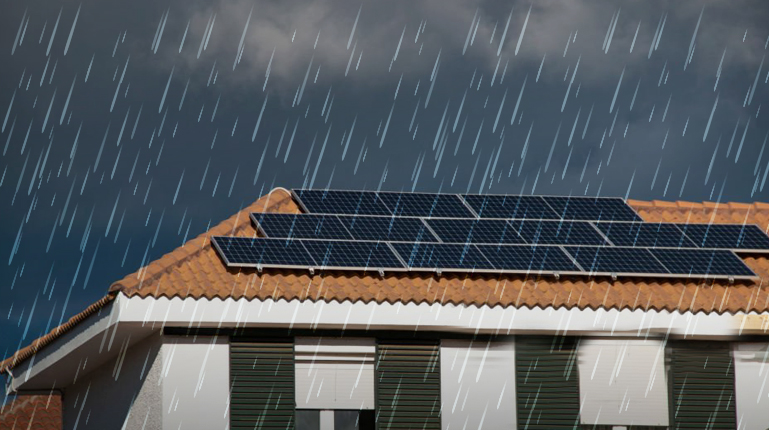
PLTS performance is influenced by the intensity of sunlight received by the solar panels. On a sunny day, solar panels work with optimal efficiency because sunlight directly reaches the surface of the panel. However, when the weather is cloudy or rainy, the intensity of sunlight decreases because it is blocked by clouds.
However, PLTS can still generate electricity in cloudy or rainy conditions, but with lower efficiency. This happens because sunlight is still scattered and reaches the surface of the panel, although in smaller quantities. The decrease in efficiency usually ranges from 10-25%, depending on the level of cloud density and the type of solar panel used.
Not only that, besides affecting efficiency, rain also has its own benefits for PLTS. Rainwater helps clean the surface of the solar panel from dust, dirt, or other pollutants that can reduce the absorption of sunlight. Thus, clean solar panels can work optimally again after the rain stops.
With that, the question "Can PLTS still work in rainy conditions?" The answer is "Yes" PLTS can still work in rainy conditions, although its efficiency decreases compared to when the weather is sunny. However, this decrease does not make PLTS completely non-functional. With good maintenance and technology that continues to develop, PLTS remains a reliable choice for generating environmentally friendly electrical energy, even in areas with weather that is not always sunny.
The use of energy storage batteries is also a solution to ensure that electricity supply is always available at any time, regardless of weather conditions. That way, PLTS remains a promising investment for the future of sustainable energy.
Together with SEI, let's switch to renewable energy!
Berita Lainnya
Getting to Know the Advantages and Disadvantages of Floating Solar Power Plants in Indonesia
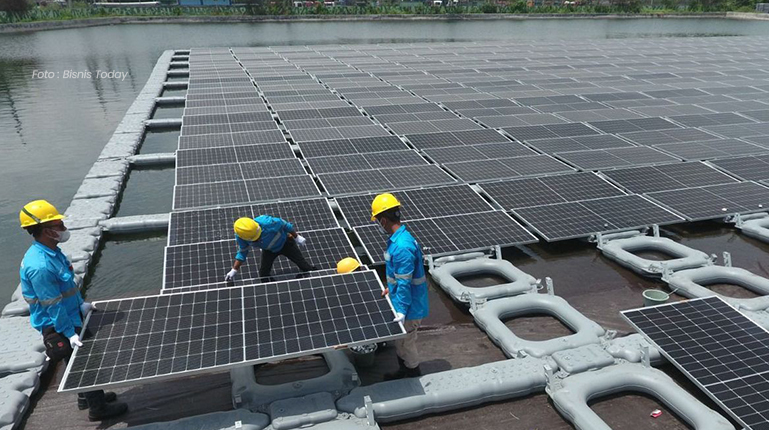
Floating photovoltaic power plants (PLTS) are an innovative solution that is currently growing rapidly in Indonesia as an alternative to environmentally friendly power plants.
Analysis by the Institute for Essentials Services Reform (IESR) states that the potential for floating PLTS in Indonesia reaches 28.4 Gigawatts (GW). This potential is spread across 783 reservoirs and lakes, each of which has a minimum potential of 1 Megawatt (MW).
It is no wonder that the government is targeting to build 60 floating PLTS in Indonesia while simultaneously pushing the target of a power plant mix from EBT of 23 percent by 2025.
In terms of construction, the installation of floating photovoltaics is equipped with hollow plastic buoys that are designed to withstand extreme weather conditions and the potential for disruption to cables connected to electrical installations on land.
However, because of its character which is installed in water, floating PLTS also has negative impacts. Here are the advantages and disadvantages of floating PLTS (floating photovoltaics).
Advantages of Floating Solar Power Plants
- Space Utilization
By utilizing the water surface, floating solar power plants save land that is usually used for agriculture, settlements, or industry. This is very relevant in Indonesia, where large land areas are often difficult to obtain for large-scale energy projects.
- Increase Solar Panel Efficiency
Water has a natural cooling effect that can lower the temperature of solar panels. This lower temperature helps increase panel efficiency, as solar panels are more efficient at lower temperatures.
- Reduce Water Evaporation
Panels floating on reservoirs or lakes can reduce the rate of water evaporation, which is beneficial for areas prone to drought. This can be a major advantage for water management in Indonesia, especially in areas with long dry seasons.
- Minimize the Impact on Land Ecosystems
Because floating solar power plants are placed in water, this development will not disturb habitats or convert land areas, which are important in maintaining biodiversity in land ecosystems.
- Renewable and Clean Energy Source
Like solar power plants in general, floating solar power plants do not produce greenhouse gas emissions or air pollution. This contributes to Indonesia's target of reducing carbon emissions and achieving cleaner energy.
Disadvantages of Floating Solar Power Plants
- Higher Installation Costs
Additional infrastructure and components, such as buoys, anchors, and waterproof electrical systems, increase the installation costs of floating solar power plants compared to conventional solar power plants on land.
- More Complicated Maintenance
Floating solar power plants require more complicated maintenance due to the higher risk of corrosion in wet environments and difficult access. Waterproof equipment also requires more costs and more specialized maintenance procedures.
- Impact on Aquatic Ecology
Shades from solar panels and the presence of structures above the water can reduce sunlight entering the water, which may disrupt aquatic ecosystems, especially in terms of photosynthesis of aquatic plants.
- Vulnerable to Weather and Nature
Extreme weather such as strong winds, waves, or earthquakes can damage floating PV installations. The system must be designed very robustly to withstand Indonesia's diverse weather, especially during the rainy season or in areas prone to earthquakes.
- Potential Disturbance to Water Activities
Reservoirs and lakes are often used for other activities, such as irrigation, fisheries, or tourism. Floating PV can reduce the area that can be used for these activities or interfere with fishing boat routes.
Floating PV offers great potential as a renewable energy solution in Indonesia, especially to optimize the use of space and preserve water resources.
Realistically, however, floating PV is unlikely to replace large-scale power plants or the increasing trend of onshore PV anytime soon. But it is very possible that they can fill an important complementary role, adding capacity that is currently lacking.
Let's move towards renewable energy with SEI!
Berita Lainnya
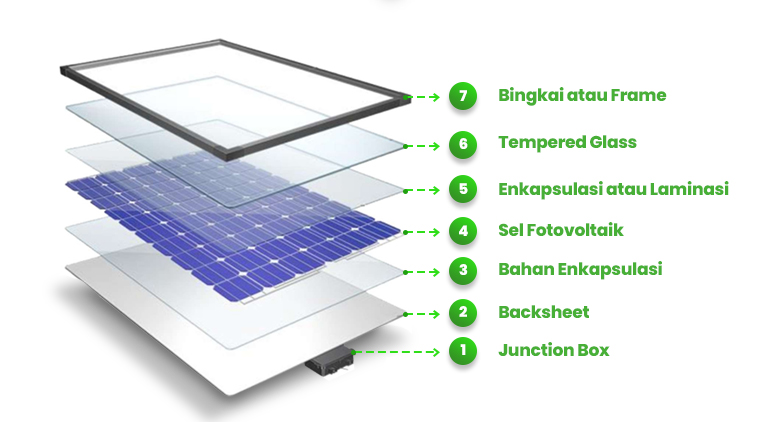
Getting to Know the Layers on Solar Panels and Their Functions
In the era of transition to renewable energy, solar panels are increasingly popular as a solution to meet environmentally friendly electricity needs. However, many are still unfamiliar with the components contained in solar panels and their functions.
In fact, the components of the Solar Panel are a unit of the device so that it can function properly. In order to become an applicable tool, other parts of the solar panel are needed. Here are some layers of the solar panel and their functions:
1. Junction Box
Junction box is a safety box used for electrical circuits or electrical cable connections. The use of a junction box aims to ensure that the cable or network connection on the cable is not disturbed by activity and is not dangerous.
2. Backsheet
The back layer of the solar panel that serves to protect the photovoltaic cells from moisture and environmental impacts. This layer also helps maintain the structural integrity of the panel.
3. Encapsulation Materials
It is a material that protects cells from direct contact with the environment and mechanical forces that can damage thin cells.
4. Sel Fotovoltaik
It is the main component of a photovoltaic module. This cell is made of a semi-conductor material that captures sunlight and converts it into electricity. The cells are connected in series to obtain a higher total voltage through the busbar wire. The material used for photovoltaic cells is generally silicon, such as polycrystalline and monocrystalline.
5. Encapsulation or Lamination
Layer between photovoltaic cells and protective glass. Lamination is used to prevent mechanical damage to photovoltaic cells and isolate the voltage from photovoltaic cells to other parts of the module. Usually the laminate sheet uses ethylene-vinyl acetate (EVA) material.
6. Tempered Glass
Protecting photovoltaic cells from the environment and ensuring the rigidity of the panel. Due to this function, protective glass takes up the highest proportion of the total weight of the photovoltaic module.
7. Frame
Usually made of Anodized Aluminum to prevent corrosion. The frame is installed at the end of the manufacturing process, so it has a function to ensure the strength of the panel.
Therefore, it can be concluded that Solar Panels are a combination of various components that work together to produce electrical energy from sunlight. By understanding the function of each component, we can better appreciate this technology and its potential to reduce dependence on fossil fuels. The application of solar panels is not only economically beneficial, but also makes a positive contribution to the environment.
Together with SEI, let's move towards renewable energy!
Berita Lainnya
 Contact Us: