Category: Articles
Trending! Alfamidi Now Installs Rooftop Solar Power Plants in Its Midimarkets
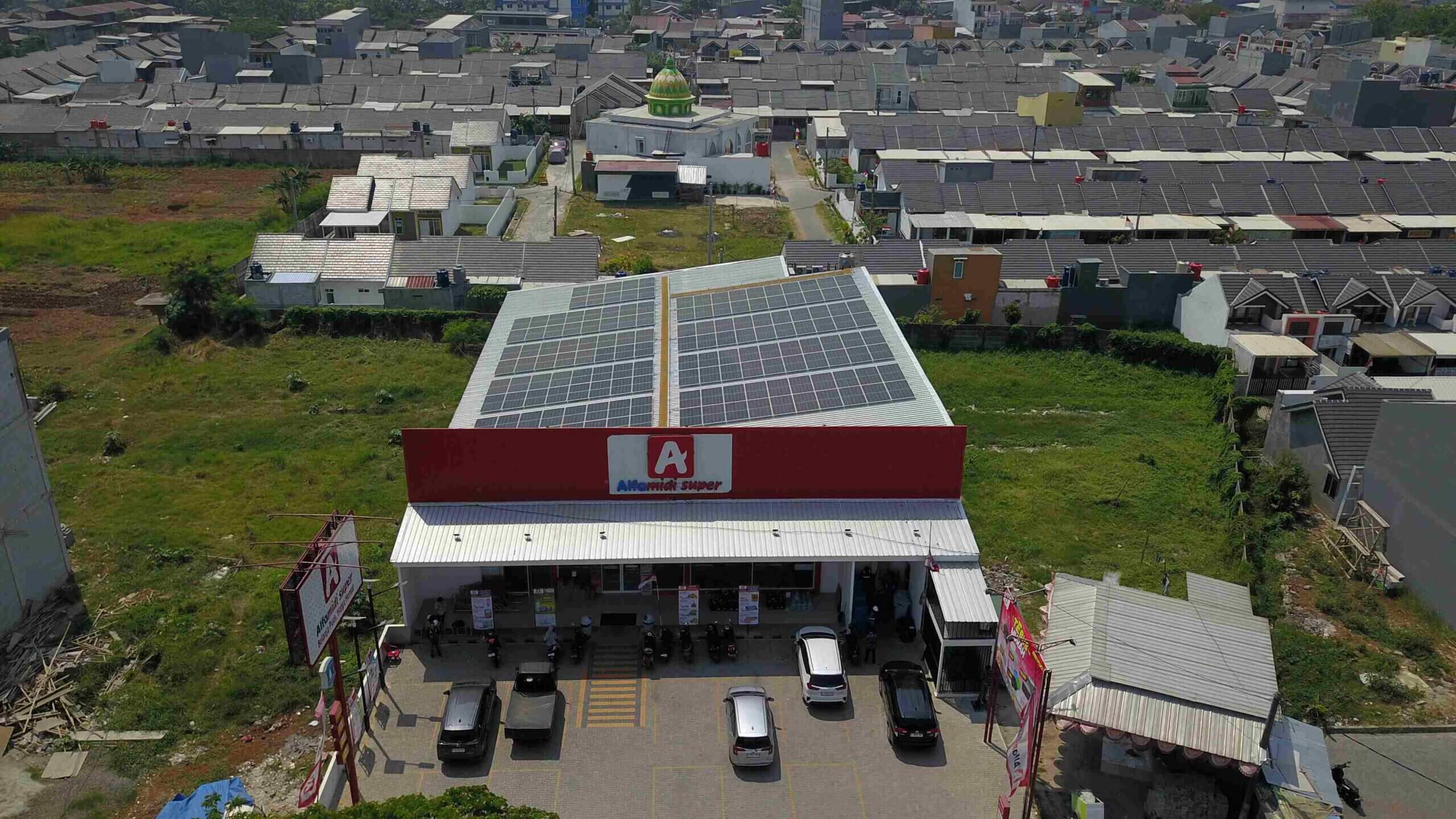
Tangerang, Banten (22/9/24) – The trend of Rooftop PLTS is increasingly mushrooming in Indonesia, apart from the trend of Rooftop PLTS becoming a necessity in the government or private sector to save electricity bills, one example is PT Midi Utama Indonesia Tbk, a subsidiary of Alfamart which operates in the midimarket sector, has switched to new renewable energy. SEI in collaboration with PLN ICON Plus installed Rooftop PLTS in 2 Alfamidi Super locations, namely Teluknaga and Kutabumi, Tangerang, Banten. The total installed Rooftop PLTS capacity is 180 kWp (Teluknaga capacity 90.09 kWp & Kutabumi capacity 90.09 kWp).
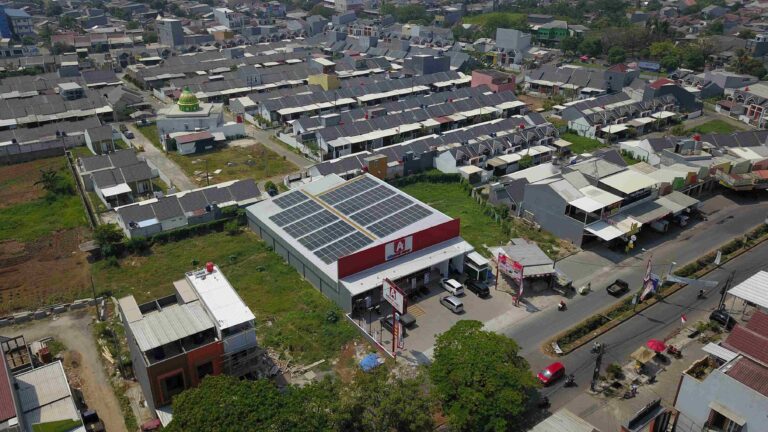
This Alfamidi PLTS has entered the interconnection or energize stage, this stage is a requirement to obtain an Operational Certificate (SLO). After obtaining the SLO, the Rooftop PLTS can be operated. At this stage, SEI checks from Quality Control to the PLTS trial.
"In this installation process, according to the S curve, it should be completed on September 27, but we can finish it 1 month earlier, so that on August 22, we can carry out the interconnection or energize," said Nurisma, SEI Project Manager.
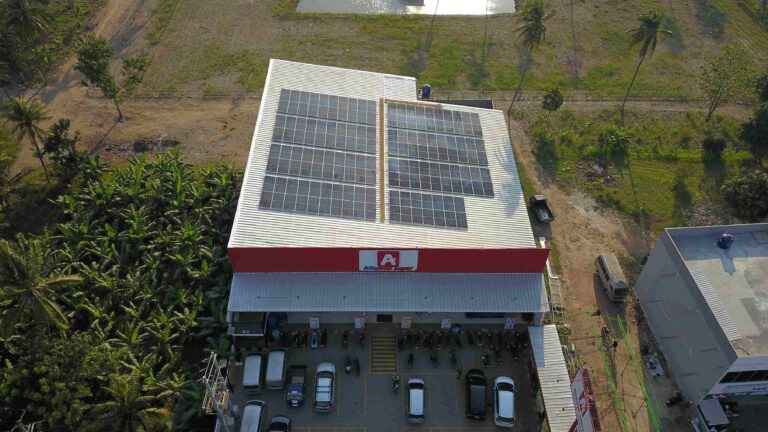
Alfamidi plans to increase capacity at several other points to support new renewable energy and show as an example that supermarket or minimarket outlets can be installed with Rooftop PLTS to save on electricity bills.


Berita Lainnya


Don’t Ignore! These Are the Mandatory Equipment When Installing Solar Panels
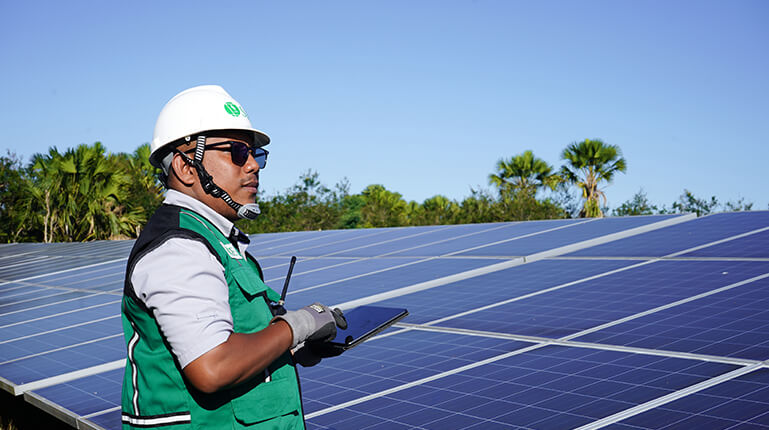
Solar panel installation is a job that requires compliance with safety standards. Including when installing on a rooftop or ground mounted. This installation process involves working at heights and requires special attention to avoid the risk of accidents. To ensure safety, every worker must be equipped with adequate safety equipment. The use of appropriate equipment not only protects workers from potential hazards, but also ensures that the installation of solar panels is carried out with optimal quality.
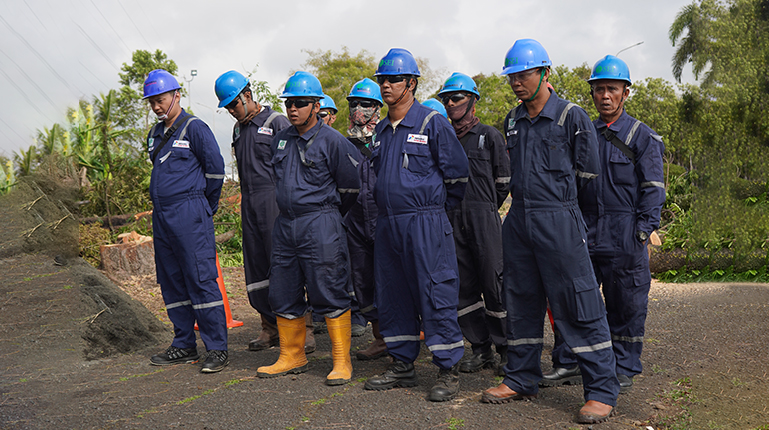
In order to achieve these goals, here is the mandatory equipment that must be used by every worker when installing solar panels:
- Safety Helmet
Safety Helmet is the main protection for the head when working on a solar panel installation project. This helmet must be used to protect workers from the risk of shapes, falling objects, or other hazards that may occur in the work area.
- Safety Glasse
When installing solar panels, workers are susceptible to dust, debris or splashes of material that can hit the eyes. Therefore, eye protection is a mandatory PPE to use.
- Safety Gloves
Safety Gloves protect workers from physical hazards such as sharp objects, heat or chemicals during the installation of solar panels. Various types of gloves are chosen according to the type of work, thick gloves are needed to protect against sharp objects, while insulating gloves must be used in work that protects against electric shock.
- Safety Shoes
Special shoes are used to protect the feet from sharp objects that can fall during the installation process. The use can help prevent foot injuries and ensure comfort during work, protecting the feet from sharp objects, slipping, and electric currents.
- Wearpack
Protective clothing designed to protect the entire body from mechanical risks. The form is a jumpsuit (overalls) designed for worker comfort and mobility. Equipped with pockets so that it is easy to carry important tools or equipment while working.
The use of complete and standard PPE is very important to keep workers safe during the installation of solar panels. Starting from helmets, gloves, to protective shoes.
By complying with safety protocols, the risk of accidents can be minimized and project productivity maintained. Occupational safety must always be the top priority in every stage of the project, for the success and welfare of all workers. Because Safety Is SEI Priority!
Berita Lainnya
The Importance of Monitoring Solar Power Plant Performance to Optimize Use
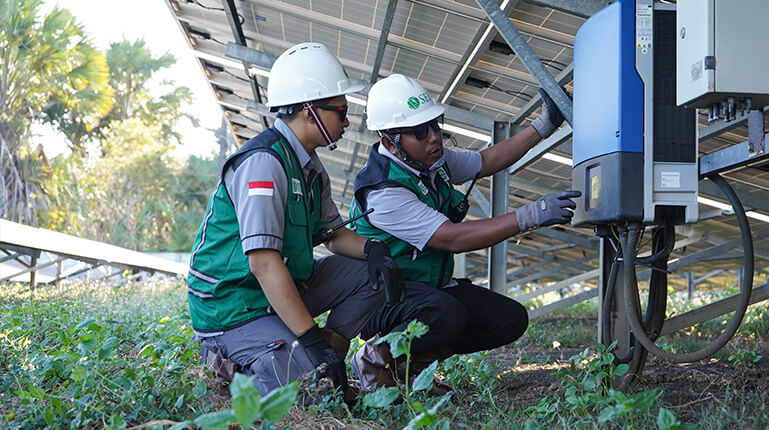
In an era where awareness of climate change is increasing, the use of renewable energy sources such as Solar Power Plants (PLTS) is becoming increasingly important. PLTS is an effective solution to reduce dependence on fossil fuels and reduce carbon emissions. However, in order for PLTS to provide maximum benefits, continuous performance monitoring is the main key. Here are some reasons why monitoring PLTS performance is important.
- Identifying and Addressing Problems Early
One of the main reasons why monitoring PLTS performance is very important is to identify and address problems early. Without proper monitoring, technical problems or damage to the PLTS system may go undetected until they cause a significant decrease in energy production efficiency. By using sophisticated monitoring devices, problems such as dirt on solar panels, damage to components, or interference with the energy storage system can be identified early. Prompt handling of problems can prevent unnecessary energy losses and ensure that the system is operating at its optimal capacity.
- Improving System Efficiency and Performance
Monitoring PLTS performance allows system owners to obtain real-time data on energy production, consumption, and overall efficiency. This data is invaluable for operational analysis and adjustments. For example, by monitoring the tilt angle and orientation of solar panels, system owners can optimize the position of the panels to capture more sunlight. In addition, historical data analysis can help plan more effective maintenance and repairs, as well as predict and address potential efficiency declines before they become major problems.
- Optimizing Energy Usage and Cost Reduction
Effective monitoring not only helps maintain the performance of the solar PV system but also optimizes energy usage. With accurate information about energy production and consumption, users can adjust their energy usage patterns to maximize efficiency. For example, energy generated during peak sunlight can be stored and used during times when energy production is low. This not only reduces dependence on energy from other sources but can also reduce electricity costs and increase economic savings.
Monitoring the performance of solar PV is a crucial element in ensuring that the system is operating at maximum efficiency and delivering the expected benefits. By utilizing advanced monitoring technology, we can identify problems early, improve system efficiency, optimize energy use, support environmental sustainability, and strengthen partner trust. All this contributes to the development of a more sustainable and environmentally friendly future, where renewable energy sources play a central role in meeting global energy needs.
Berita Lainnya
It Turns Out This Is How Solar Panel Waste Management Works
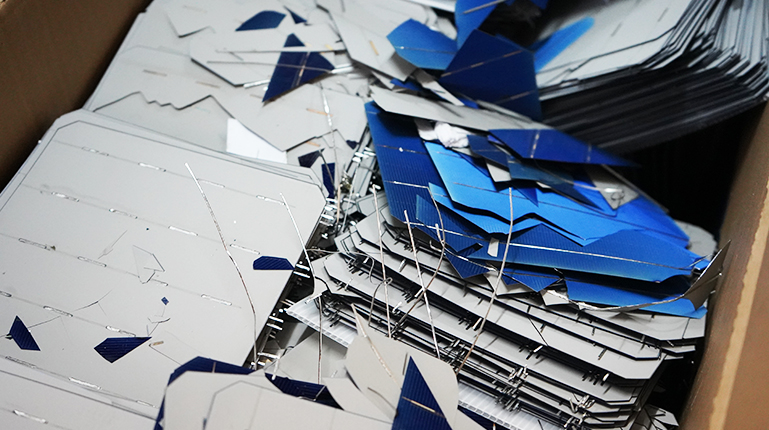
With the increasing development of renewable energy technology, solar panels have become one of the main solutions to reduce dependence on fossil fuels. PT Surya Energi Indotama (SEI), as one of the Pioneers in the new and renewable energy industry, especially solar energy in Indonesia, is committed to managing waste from solar panels in an environmentally friendly manner and in accordance with applicable regulations.
In the process of producing and using solar panels, there are several types of Hazardous and Toxic Materials (B3) waste produced, including:
1. Solar Cell Reject
Solar cells that do not meet quality standards and cannot be used in solar panels. These cells often contain hazardous chemicals such as silicon and heavy metals. In addition, they are categorized as B3 waste because their sharp texture can be dangerous and injure those who hold them if they do not use special gloves.
2. Flux and Riz
Chemicals used in the soldering process and manufacturing of solar panels. Flux containing hazardous chemicals can become B3 waste if not managed properly such as after its expiration date has expired which can cause irritation.
3. Backsheet
The protective back sheet of a solar panel is made of plastic or composite material. Unused backsheets contain chemicals that can pollute the environment.
4. Tin Metal
Used in soldering processes and as a component in solar panels. Tin metal in waste can potentially pose health and environmental risks if not managed properly and takes a long time to decompose if simply thrown away.
B3 Waste Management
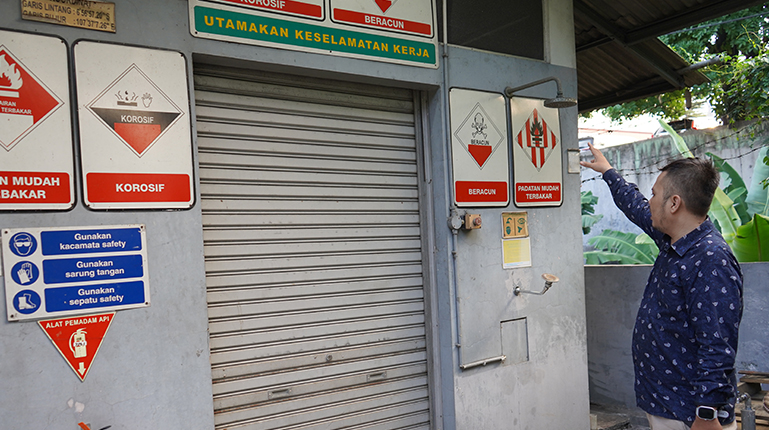
PT Surya Energi Indotama has implemented strict B3 waste management procedures to ensure that solar panel waste is handled in a proper manner and minimizes negative impacts on the environment. The following are the main steps in B3 waste management:
1. Sorting and Collection
Waste from solar panels is sorted based on its type and characteristics. Reject solar cells, flux and riz, backsheet, and tin metal are collected in special containers according to their type.
2. Handling and Storage
After being sorted, B3 waste is stored in a temporary storage area (TPS) that meets safety and environmental standards. This TPS is designed to prevent contamination and leakage that can harm the environment.
3. Processing and Recycling
The collected B3 waste will be further processed for processing or recycling. Solar cells that are no longer usable may be processed to extract valuable materials or sent to a licensed hazardous waste treatment facility.
4. Reporting and Documentation
PT Surya Energi Indotama routinely reports the amount of B3 waste produced and managed to the authorities. This documentation is important to ensure compliance with regulations.
After the storage period at the TPS, B3 waste will be transported by PT Prasadha Pamunah Limbah Industri (PPLI), which is a third party competent in B3 waste management. PPLI will take over the responsibility for transporting waste to the appropriate processing facility, ensuring that all steps are carried out in accordance with applicable regulations and standards.
The management of B3 waste from solar panels is an important aspect of PT Surya Energi Indotama's environmental responsibility. By following strict procedures in waste sorting, collection, storage, and processing, the company not only complies with existing regulations but also contributes to environmental protection efforts. Collaboration with PPLI for further transportation and processing ensures that B3 waste is handled in a safe and efficient manner.
Berita Lainnya
Getting to Know NOC PT Surya Energi Indotama: Understanding the Role and Function in the Energy Industry
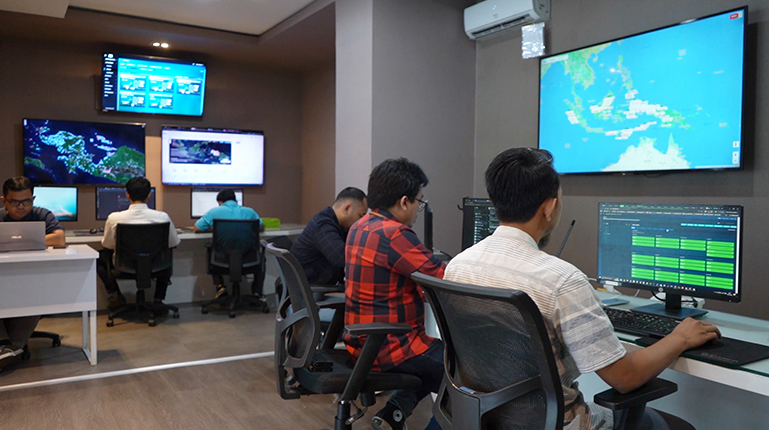
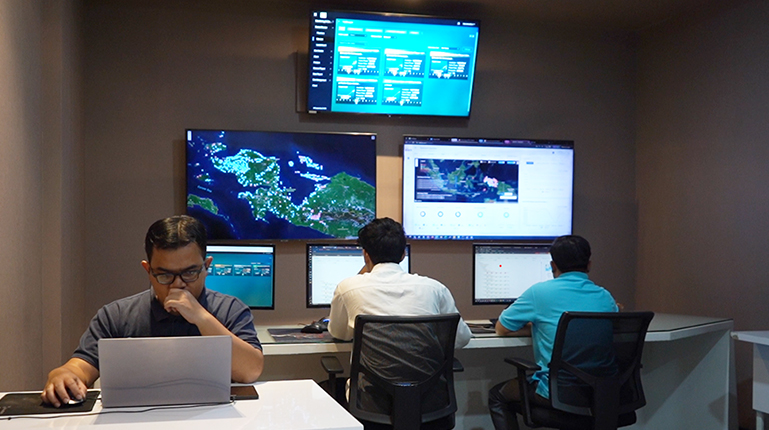
Amidst the increasing need for energy and the push to switch to more environmentally friendly energy sources, PT Surya Energi Indotama has emerged as one of the key players in the renewable energy industry in Indonesia. One important aspect of SEI's operations is the Network Operation Center (NOC), which plays a crucial role in maintaining the smoothness and efficiency of the energy systems that have been installed throughout Indonesia.
What is a Network Operation Center (NOC)?
The Network Operation Center (NOC) is a control center that is responsible for monitoring, managing, and optimizing information and communication technology networks and infrastructure. In the context of PT Surya Energi Indotama, the NOC focuses on supervising the renewable energy systems that the company manages, including solar power plants, energy storage systems, and energy distribution networks.
The SEI NOC team itself works 24 hours a day, 7 days a week, with the aim of accelerating resolution when problems occur at the location and at the same time being able to monitor the performance of each service so that disruptions can be mitigated.
Main Functions of NOC SEI
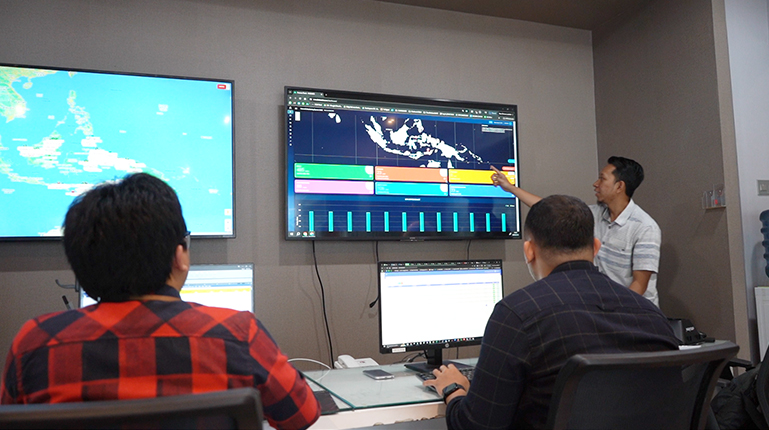
1. Real-Time Monitoring
The SEI NOC is tasked with monitoring the operational conditions of the energy system in real time. This includes monitoring data from solar panels, inverters, battery storage systems, and other components. With this monitoring, the NOC can detect potential problems or disruptions as quickly as possible and take necessary actions to prevent greater impacts.
2. System Performance Management
In addition to monitoring, the NOC is also responsible for managing the performance of the energy system. This involves analyzing data to ensure that all components are operating at optimal efficiency and making adjustments if necessary to increase energy output or reduce losses.
3. Troubleshooting and Technical Support
The SEI NOC is the central point for technical problem solving. When a disruption or damage occurs, the NOC team can immediately respond by performing diagnosis and repairs. They also coordinate with the field team to handle the problem directly.
4. Planning and Development
In addition to day-to-day operational functions, NOCs also play a role in energy infrastructure planning and development. They analyze operational data to plan improvements, upgrades, or expansions of existing systems.
5. Security and Compliance
Security aspects are very important in NOC operations. They ensure that all systems and data are protected from cyber threats and meet applicable compliance standards. This includes monitoring for suspicious activity and implementing necessary security measures.
Technologies Used in NOC SEI
NOC SEI uses a variety of advanced technologies to perform its functions. Some key technologies include:
- Monitoring and Control System: To monitor the condition and performance of the energy system in real-time.
- Big Data Analytics: To analyze big data generated by energy systems and identify patterns or potential problems.
- Cyber Security: To protect systems from digital threats and maintain data integrity.
The role of the SEI NOC is vital to the success of the company's operations. With the NOC, SEI can ensure that the renewable energy generation system operates optimally and reliably. This not only increases efficiency and reduces downtime, but also helps in strategic planning and future development.
The existence of the NOC allows SEI to adapt to changes in demand and technical challenges that may arise. With a proactive and data-driven approach, the SEI NOC helps companies achieve sustainability and efficiency goals.
The SEI NOC is an integral component of the company's operational structure that manages the renewable energy system. Through effective monitoring, management and analysis, the NOC ensures that all components of the energy system are functioning properly and in accordance with established standards. With this crucial role, SEI can continue to provide efficient and sustainable energy solutions to meet future needs.
Berita Lainnya

Diving into the Wonder of the Largest Solar Panel in the Kubuqi Desert, Inner Mongolia, China
In the middle of the vast Kubuqi Desert in Dalad Banner, Ordos, Inner Mongolia, China, there is an impressive solar panel installation. This installation is not only a symbol of the advancement of renewable energy technology, but is also able to provide enough electricity for 3,600,000 households every year.
The city of Ordos is famous for its natural resources, especially abundant coal and was once the city with the largest GDP per capita in China. However, with this Solar Power Plant, it can save 4.96 million tons of coal per year and reduce carbon dioxide emissions by 13.5 million tons per year.
The project, which has been started since 2017, is estimated to be completed in 2025. And if we talk about how big this project is, the scale of this solar panel installation covers a very large area, covering part of the dry and barren Kubuqi Desert. Its area reaches 18,600 hectares with a length of 400 km and a width of 5 km. This reflects the commitment to optimizing the available natural resources for renewable energy.
Behind the grandeur of the project built on the desert is not without challenges. This project reflects high technical skills in designing and building stable and sustainable infrastructure in harsh environments. Initiatives such as the installation in the Kubuqi Desert demonstrate China's leading role in adopting and promoting renewable energy as part of a national strategy to reduce the global carbon footprint.
The power generated after the entire project is completed in 2025 is estimated to be able to produce an installed capacity of up to 12 million kilowatts and can produce 24 billion kWh per year which means it can meet the electricity needs of 3,600,000 households in a year. Where the electricity will be distributed to the city of Cangzheu Hebei and Xiong'an New Area.
The installation of solar panels in the Kubuqi Desert, Inner Mongolia, China, is not only a technical achievement, but also a symbol of the global commitment to achieving energy sustainability and environmental protection. By continuing to push the boundaries of innovation, this project provides hope for a cleaner and more sustainable future for the whole world.
Source : Youtube Rudy Chen
Berita Lainnya
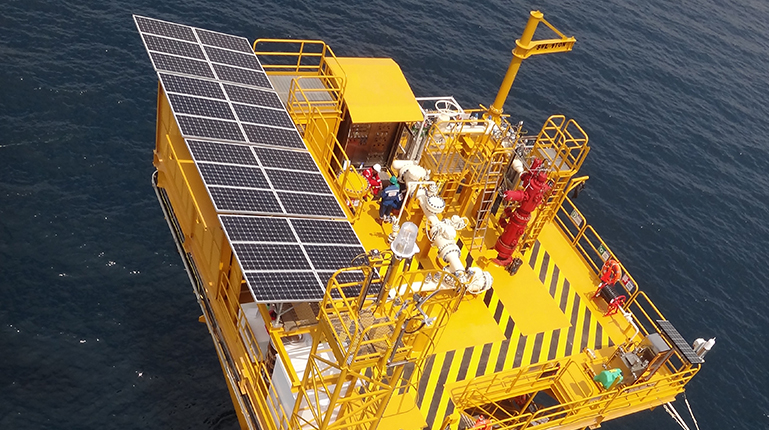
Renewable Energy Exploration at Sea: Off Grid Solar Power Plant Offshore Santos, Madura
SEI's success as an EPC Company has been proven, one of which is its success in building the Santos Off Grid Offshore Solar Power Plant project, Madura which was completed in 2014. This installation is able to provide a stable energy source in remote and hard-to-reach locations and is an important milestone in the exploration of renewable energy in open waters.
The process of shipping components for this project is a challenge in itself. Due to its remote location in the middle of the sea, equipment must be shipped using ships. This method not only shows innovation in logistics, but also reliability in facing complex geographical challenges.
The Santos Madura Off Grid Solar Power Plant not only represents an advanced technological achievement in the utilization of renewable energy, but is also real evidence of SEI's commitment to environmental sustainability. With the application of this technology, it is hoped that it can inspire the development of similar projects in other remote areas around the world.
Berita Lainnya
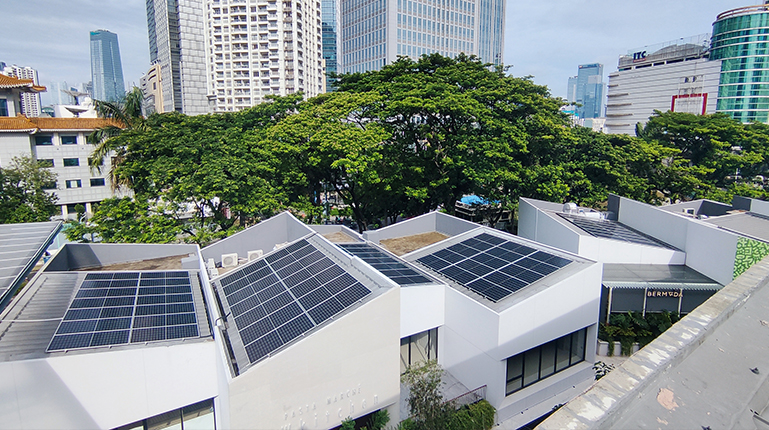
Increase Property Value By Installing Rooftop Solar Power Plants, Here’s the Explanation!
The use of Renewable Energy is increasingly becoming a major focus in this modern era. One solution that is increasingly in demand is Solar Power Plants (PLTS) for rooftops.
Rooftop PV not only helps reduce carbon emissions, but can also save on long-term electricity bills.
Although the initial investment is quite high, rooftop solar PV offers several significant long-term benefits, including the following:
- Energy Saving
Using solar energy as the main energy source can reduce monthly electricity bills. Rooftop solar power plants can save electricity bills by approximately 30%. - Carbon Emission Reduction
Reducing dependence on fossil fuels helps reduce greenhouse gas emissions and supports a cleaner environment. - Property Added Value
Houses equipped with rooftop solar power tend to have a higher selling value, and add aesthetics to the roof of the house so that they can attract potential buyers who care about the environment.
Therefore, installing rooftop solar power plants is a positive step in supporting new renewable energy and reducing long-term electricity bill costs.
Although it requires a high initial investment, the long-term benefits of installing rooftop solar power plants are an attractive option for those who care about the environment.
By taking into account all the cost and benefit factors, the decision to install rooftop solar power plants can be a wise and sustainable investment.
Let's switch to renewable energy with SEI!
Berita Lainnya
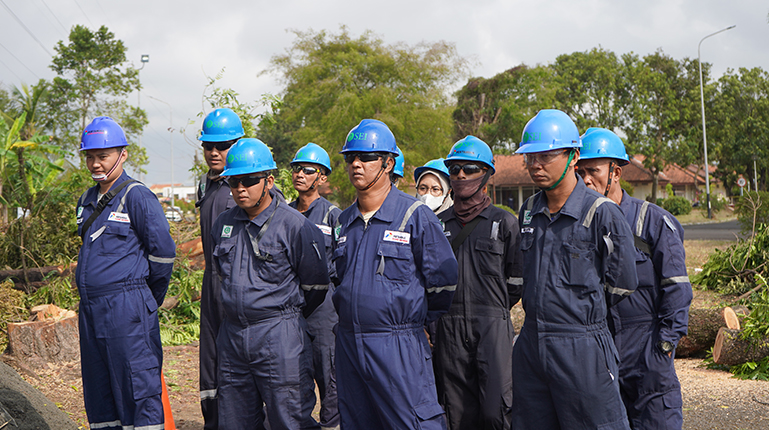
Toolbox Meeting: SEI’s Commitment to Maintaining Worker Safety and Security
Toolbox meeting is a meeting activity attended by all field workers involved in the form of a forum or briefing to discuss safety, security and control of hazards that may occur while working.
The toolbox meeting itself aims to ensure that the conditions of the work field are safe and under control, so that the work carried out runs smoothly and avoids unwanted incidents.
Here are some of the benefits of Toolbox Meeting:
- Safety Awareness: Toolbox meetings help raise awareness of safety risks in the workplace. By discussing potential hazards and appropriate precautions, team members become more aware of their work environment.
- Knowledge and Understanding: Toolbox Meetings provide an opportunity for team members to gain new knowledge about safe work procedures and actions to take in certain situations.
- Risk Identification: In the Toolbox Meeting, team members can share their experiences and knowledge about specific risks related to their work. This helps to identify potential risks that may occur and how to prevent them.
- Shared Commitment: By participating in Toolbox Meetings, team members demonstrate their commitment to workplace safety and health. This reinforces a culture of safety in the workplace and encourages collaboration in creating a safer work environment.
Taking these benefits into account, Toolbox Meeting becomes one of the important instruments in ensuring a safe and healthy working environment for all team members. In working on projects, SEI always routinely holds Toolbox Meetings in line with SEI's slogan, "Safety Is SEI Priority"
Berita Lainnya
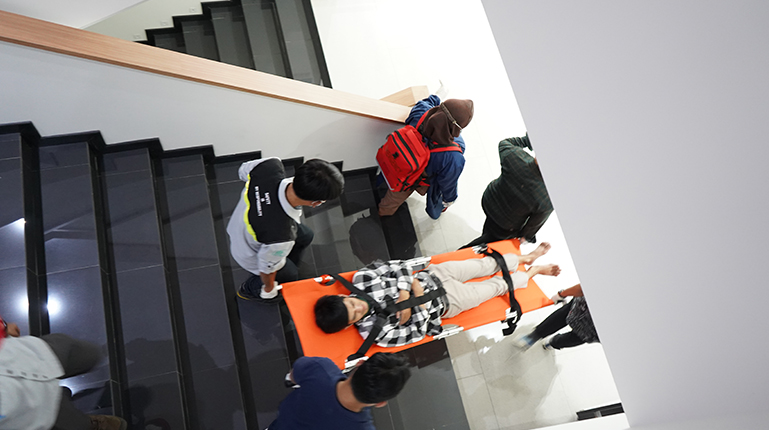
Emergency Response Simulation, Is It Important?
Some time ago, the HSE SEI team held an earthquake and fire emergency response simulation at different times. And do you know how important emergency response simulations or often known as Emergency drills are? Let's see the discussion this time!
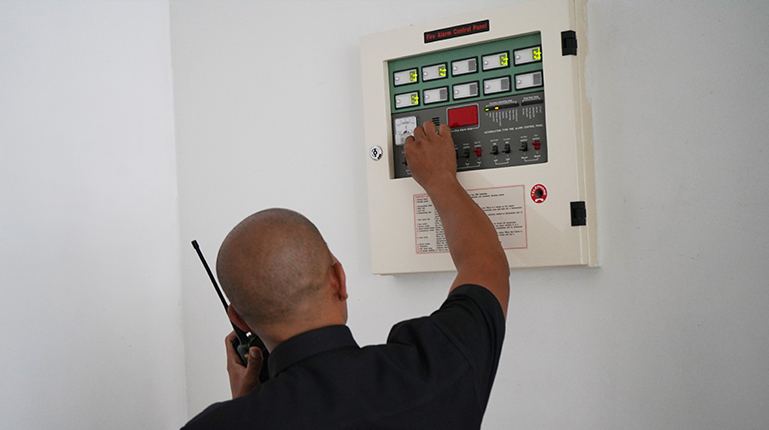
Emergency drill or Emergency Response Simulation
intended to facilitate and regulate the actions of the company and company employees during an emergency that occurs in the workplace and it is highly recommended for a company to do so. A well-developed and well-organized emergency plan and proper training for employees so that each employee can understand their role and responsibilities in emergency response simulation activities.
The implementation of emergency response simulations can minimize risks such as reducing serious injuries and reducing damage to company facilities during an emergency. Without good planning, of course, there will be many risks that the company faces such as a noisy atmosphere, unorganized resulting in confusion, injury, risk of disease due to exposure to chemicals, biology and/or radiation including damage to company property.
Of course we don't want that to happen, therefore the company through the HSE Team is very concerned and always schedules emergency drill programs every year. SEI as a company with hundreds of employees is certainly required to have an operational plan, especially in anticipating emergency actions, which plan must include:
- Preferred methods and/or procedures for reporting fires and other emergencies;
- Emergency procedures and route planning, such as floor plans, workplace maps, and safe or protective areas;
- Procedures for accounting for all employees after an evacuation, such as determining assembly locations, for example, safe areas or shelters;
- An officer or person in charge either inside or outside the company who can be contacted for additional information or explanation of duties and responsibilities based on the emergency plan;
- Procedures for employees who continue to perform or shut down essential installation operations, operate fire extinguishers, or perform other essential services that cannot be stopped for any emergency alarm prior to evacuation;
- Rescue and medical duties for each employee appointed to carry them out;
- Designate one or more emergency contact persons who are knowledgeable about the hazards and processes at the facility and ensure their contact information is readily accessible during an emergency;
- Designate employees responsible for inventorying and maintaining emergency equipment and supplies;
- Include a description of the alarm system in the emergency plan that will be used to notify all employees to evacuate and take other actions. The alarm sound used for the action must be different from other types of alarms such as horns, sirens, or even public address systems;
- Identifying the location of alternative communications facilities to be used if primary facilities are inaccessible due to an emergency, such as fire or explosion;
- Keep original or duplicate copies of important company documents in a secure location on or off site.
So, if all plans for emergency drill activities or emergency response simulations have been carried out in sequence according to applicable guidelines, then the next stage that you need to know is how to successfully conduct emergency drills, let's look at the discussion again:
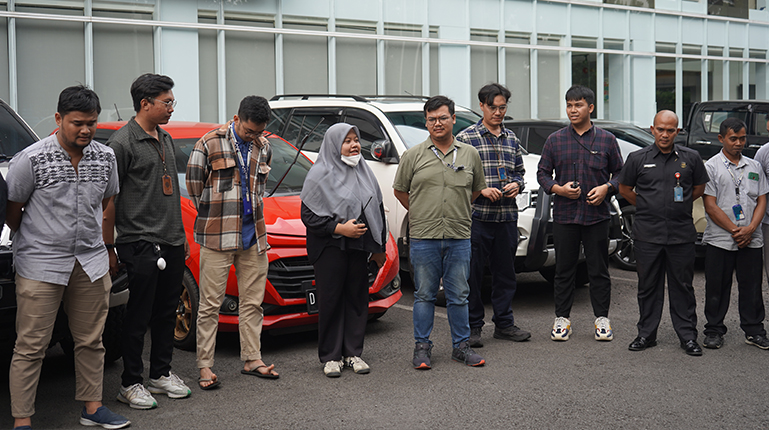
Tips for Conducting a Successful Emergency Drill
Conducting an effective emergency drill involves more than just sounding the alarm and directing employees to exit the building. Here are some tips we can follow to ensure that the emergency drill is successful and beneficial:
- Realistic and relevant scenarios
The type of emergency drill must be relevant to the place and location of the company, for example, if the company is located in an earthquake-prone area, then conducting an earthquake drill is the right action or if the office space has a high-rise building, then a fire drill that includes evacuation procedures via stairs will be very important, etc.;
- Clear Communication
Provide instructions before, during, and after the emergency response drill. This includes letting everyone know that the drill is taking place, the scenario, and what is expected of them. After the drill, provide feedback on how the drill went and what improvements can be made.
- Surprise Exercise
While scheduled drills are important, surprise drills can be even more effective in preparing employees for emergencies. They can help identify real-time challenges and areas of confusion that need to be addressed;
- Involve Everyone
All employees should participate in drills to ensure they understand emergency procedures, from top management to lower-level employees;
- Designated Role
Assign specific roles to employees, such as floor coordinator, first aid officer, etc. This is to ensure that essential tasks are carried out and to give individuals a sense of responsibility during emergencies.
- Test Multiple Scenarios
Don’t limit yourself to one type of emergency. While fire drills are common, it’s also important to conduct drills for other scenarios such as earthquakes, floods, or other situations that are appropriate to your company’s location and type of business;
- Briefing, Learn and Feed Back
After the emergency response simulation exercise is held, the simulation activity can be continued with a question and answer session and discussion as evaluation material, including asking for feedback from employees as valuable input and insight for the smooth running of the emergency response simulation activity;
- Update Emergency Plan
Always update the company's emergency plan that has been prepared according to the development and condition of the company, such as updating evacuation routes, improving communication methods, or providing additional training to employees.
The tips above will support the smooth implementation of emergency response exercises, and what needs to be emphasized in this activity is that cooperation between all parties is certainly the main point to achieve the expected success.
The need for awareness from company management to employees about the importance of emergency drill activities must always be fostered, safety is the main point of the company in carrying out its activities and is the responsibility of all members of the community in it …. Safety is SEI priority!
Berita Lainnya
 Contact Us: